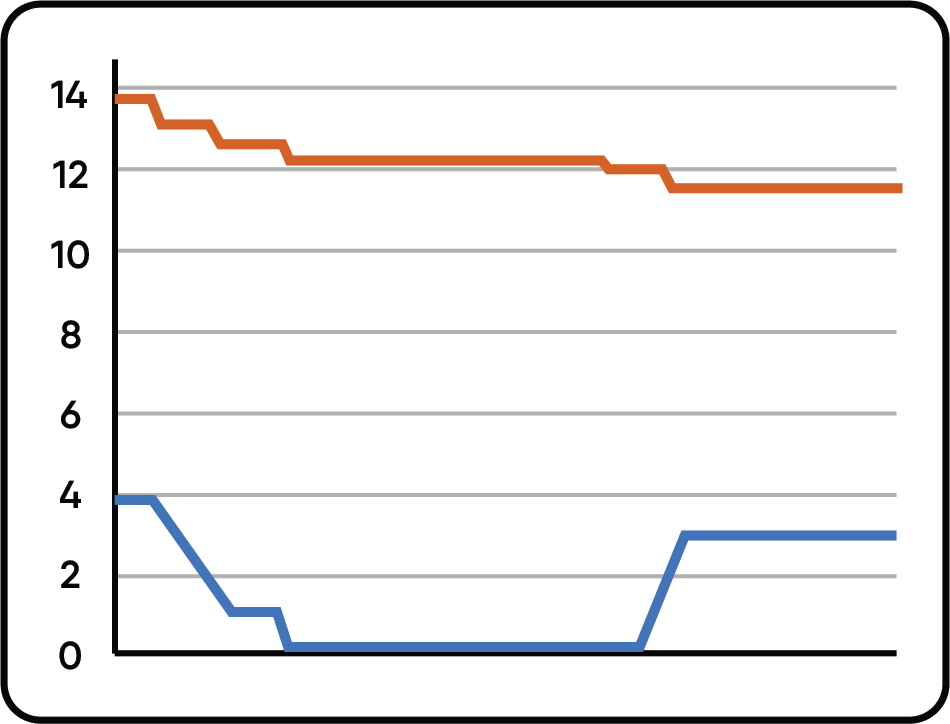
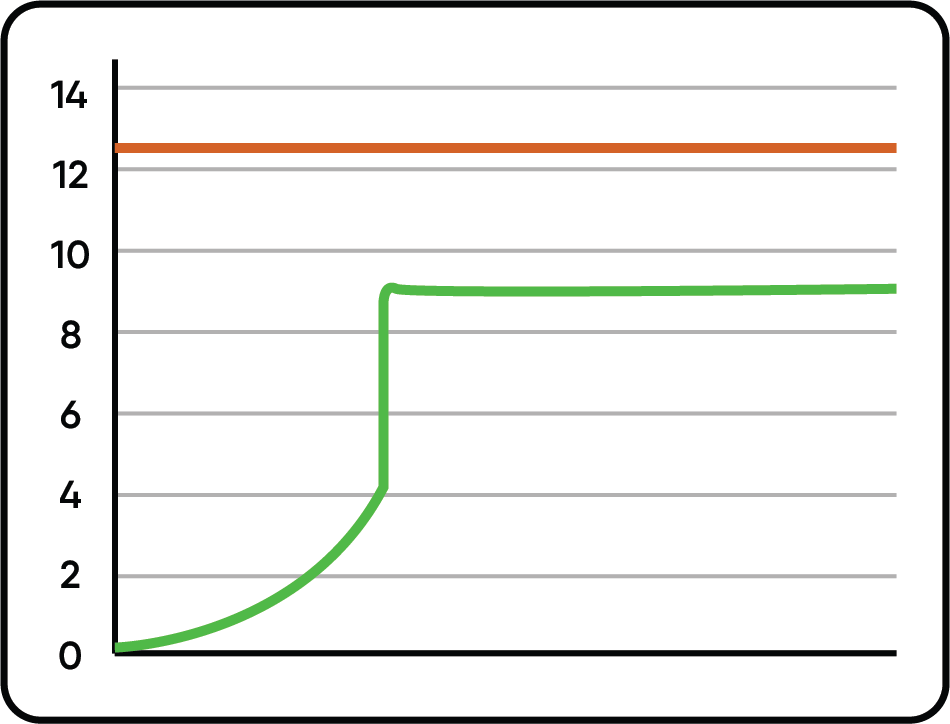
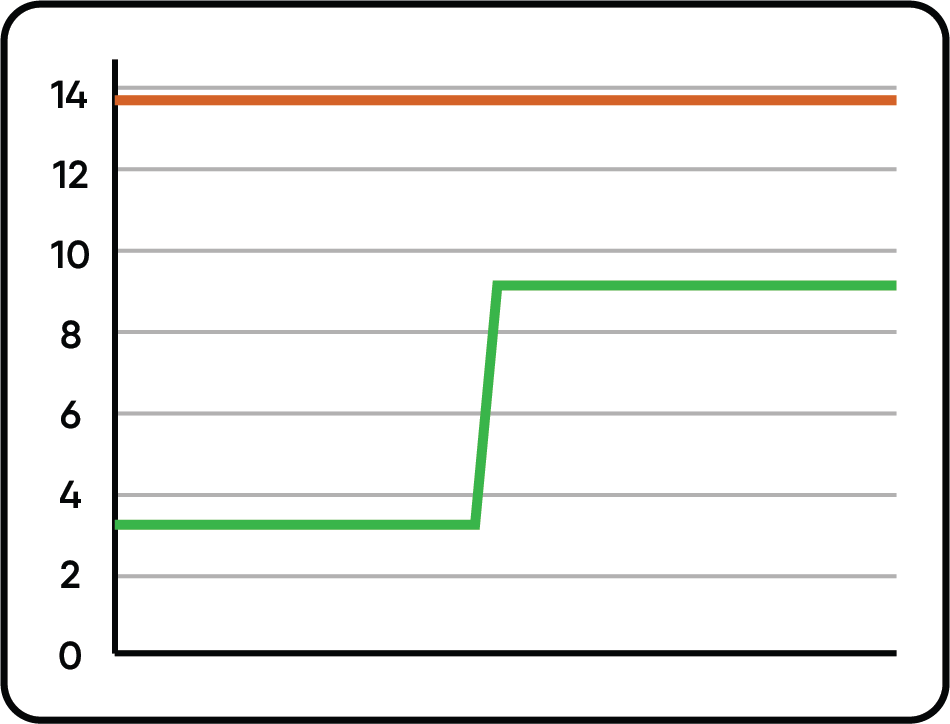
Dialing espresso means making small adjustments until your coffee tastes balanced and matches your preference.
With Kubo you can control many variables, but the key to good dialing is knowing what to change and in what order.
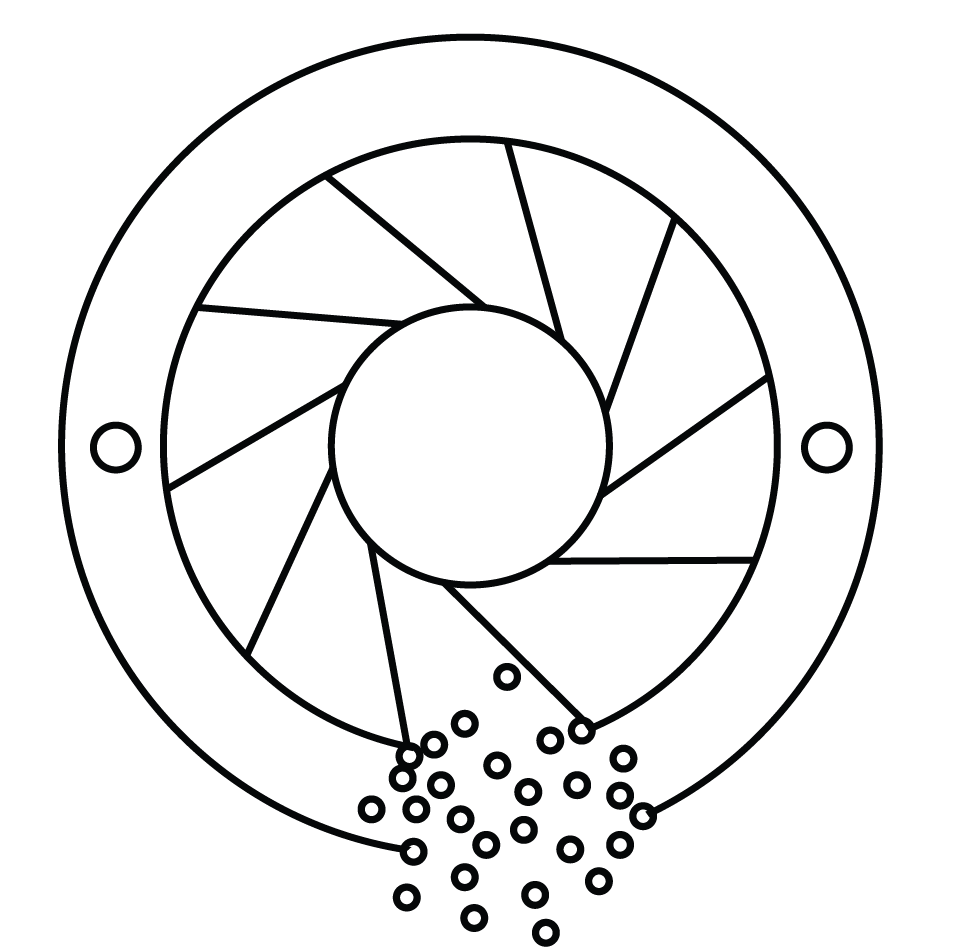
Most espresso problems can be solved by adjusting just one variable: grind size.
Dialing priority order
Always adjust variables in this order
When dialing your coffee, follow this priority order:
1 Grind size
The most important variable. This should always be your first adjustment.
2 Ratio (dose → yield)
Controls extraction strength and balance.
3 Temperature
Useful for fine tuning extraction.
4 Pressure profile
Advanced adjustment for optimizing extraction style.
Important
Avoid changing multiple variables at the same time.
Change one variable, test again, then adjust if needed.
This makes dialing faster and more predictable.
Basic espresso ratios
Understanding brew ratios
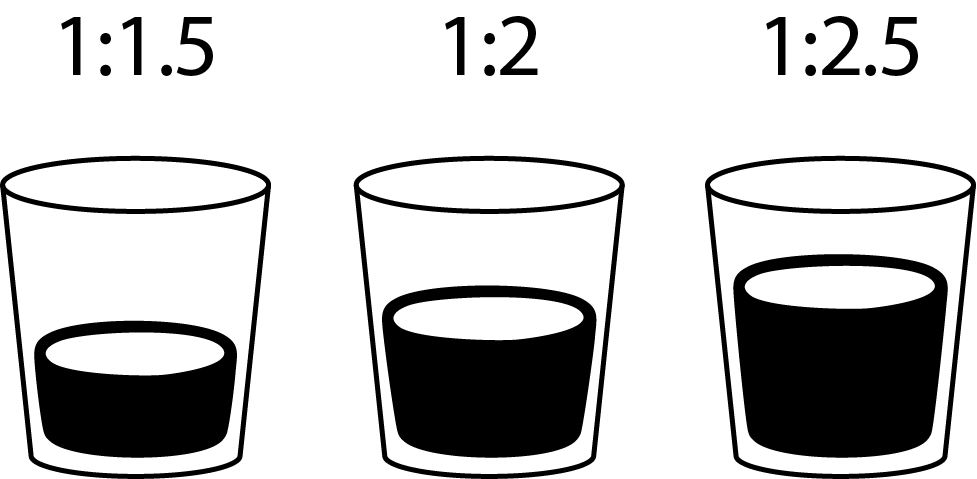
The ratio describes how much espresso you extract relative to your coffee dose.
Example:
18g coffee → 36g espresso = 1:2 ratio.
Common starting ratios:
1:2 — Classic espresso
Balanced and works with most coffees.
1:2.5 — Light roast espresso
Helps extract more soluble material from dense beans.
1:1.5 — Ristretto style
Shorter extraction with more body and intensity.
If unsure, always start with 1:2.
Adjustment workflow
How to decide what to change
Use this simple decision process:
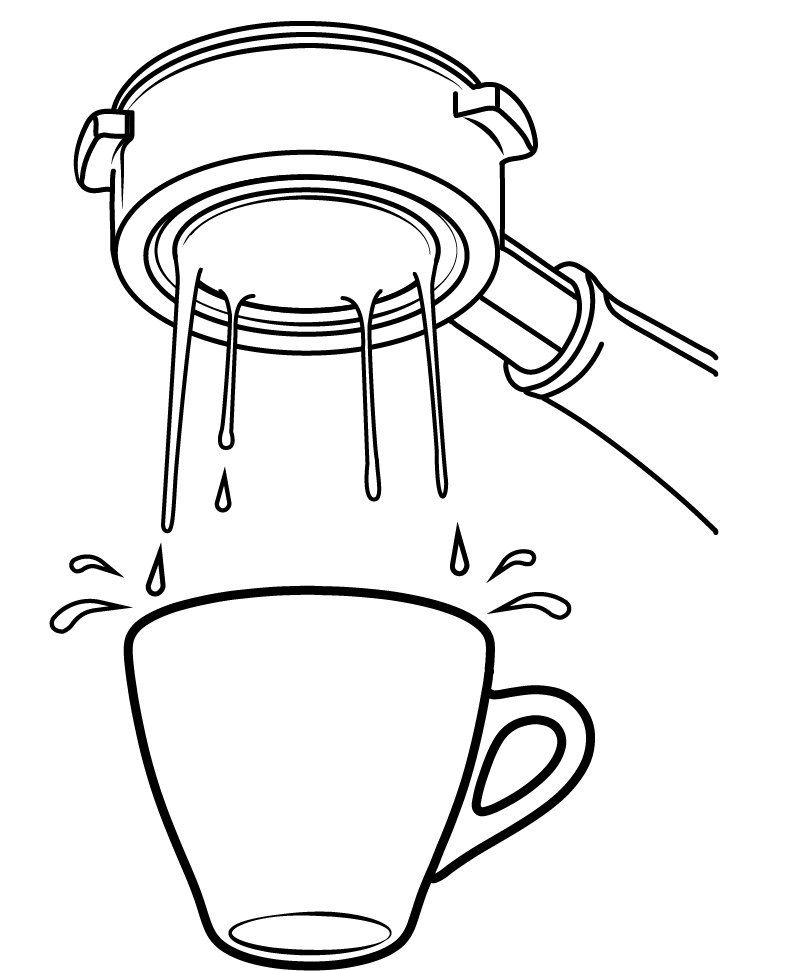
If the shot runs too fast
(example: under 20–22 seconds)
Adjust:
Grind finer
Do not change temperature or profiles first.
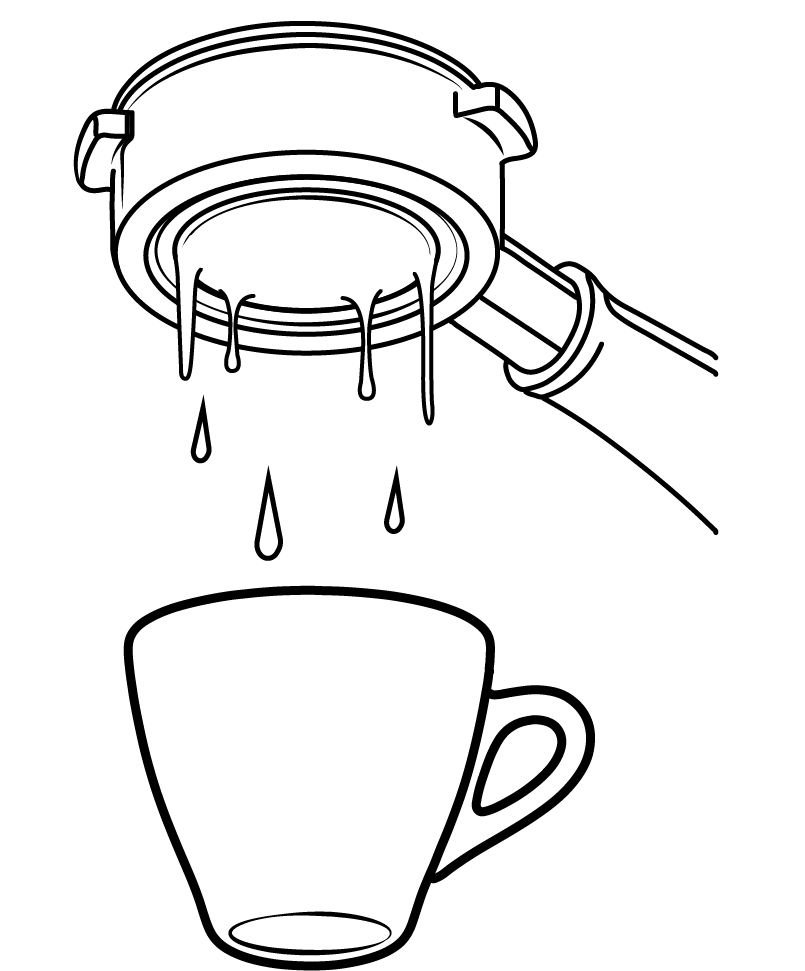
If the shot runs too slow
(example: over 35 seconds)
Adjust:
Grind coarser
Again, grind size should always be your first correction.
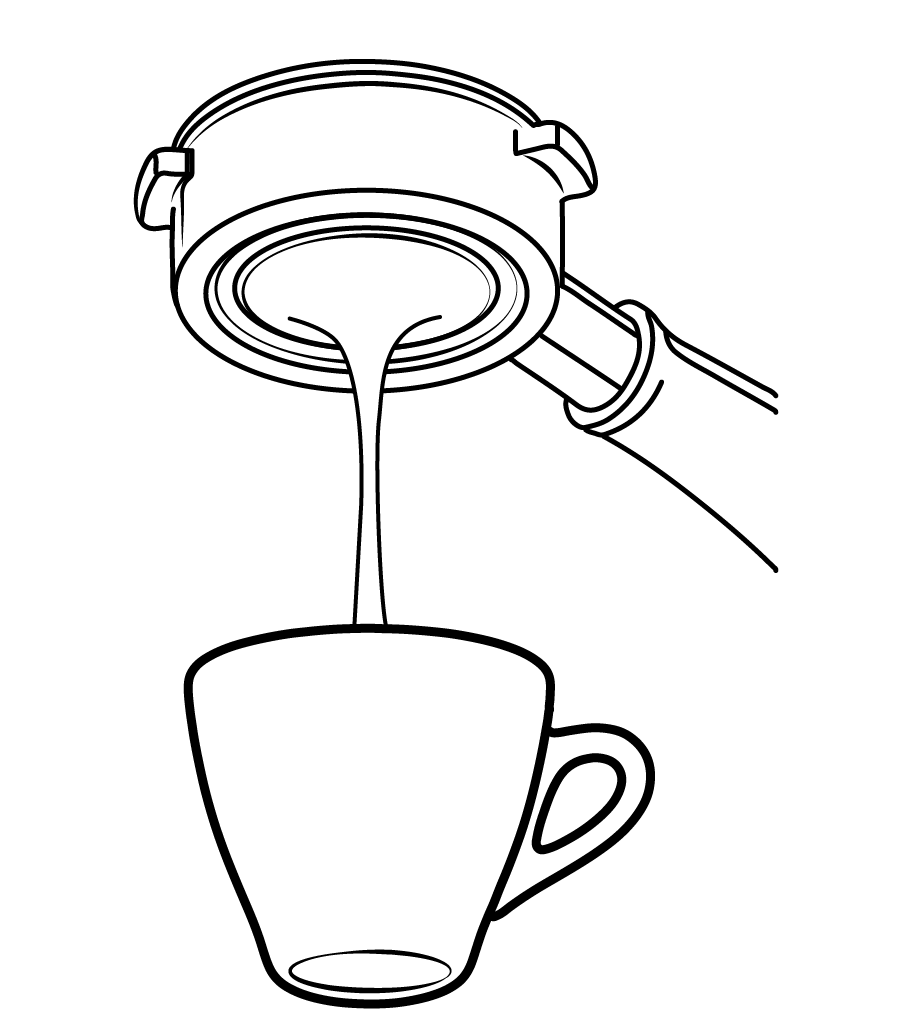
If the timing looks correct but taste feels wrong
Adjust:
Ratio
Example:
If coffee tastes too intense → increase yield slightly.
If coffee tastes weak → reduce yield slightly.
Fine-tuning: temperature & profiles
Once grind and ratio are right
Use this simple decision process:
Temperature
Small changes have a noticeable effect on taste:
Light roast tasting sour
Increase temperature. Try 92–94°C.
Dark roast tasting bitter
Decrease temperature. Try 88–90°C.
Medium roast
90–92°C is a good starting range.
Pressure & flow profiles
Pressure and flow profiles allow you to change how extraction happens, not just how much extraction occurs.
This is usually only necessary once grind, ratio and temperature are already well adjusted.
Profiles are best used to:
Improve clarity Reduce bitterness Enhance body
Profile suggestions
Suggested starting profiles by roast level
Different roast levels benefit from different extraction styles.
These are safe starting points:
Light roast
Use:
Longer preinfusion
Gentle pressure ramp
Why:
Light roasts are denser and harder to extract, so they benefit from longer saturation.
Example of recipes that you can find in our Online community:
Blooming espresso 18g basket/18g beans/36 grams in cup/66s/Nordic (super light) to medium light roast
Medium roast
Use:
Classic espresso profile
Why:
Medium roasts are the easiest to extract and usually work well with standard profiles.
Gentle and sweet 18g basket/18g beans/36 grams in cup/28s/Medium to dark roast This preset has a lower bar pressure. It needs very little fine-tuning. Use this if you’ve never made espresso before.
Default 18g basket/18g beans/36 grams in cup/28s/Medium to dark roast Try this if you’ve made espresso before. It has a higher bar pressure and a longer preinfusion time than the “Gentle and Sweet.
Dark roast
Use:
Lower peak pressure Shorter extractions
Why:
Dark roasts extract easily and can become bitter if overextracted.
Reducing pressure can improve balance and sweetness.
Cremina lever machine 18g basket/18g beans/36 grams in cup/28s/Medium to dark roast
Important dialing principles
Keep these rules in mind
Adjust grind before machine settings Change one variable at a time Taste matters more than numbers Start simple before going advanced
Kubo gives you powerful tools, but great espresso still follows the same fundamentals.
Master the basics first and advanced control will become much more useful.
Next step
Now that you understand how to dial your coffee, you can explore how to keep your machine performing at its best with proper cleaning and maintenance.